Will Oil Hit $120 Again? How the Iran War Strait of Hormuz Crisis Is Reshaping Global Markets in April 2026
Oil prices just punched through $106 a barrel. Again. And if you think this is a temporary spike, you haven’t been paying attention to what’s actually happening in the Strait of Hormuz — the narrow waterway that carries 20% of the world’s energy supply and has been effectively shut down since late February 2026.
The Iran War Oil Shock: What Actually Happened This Week
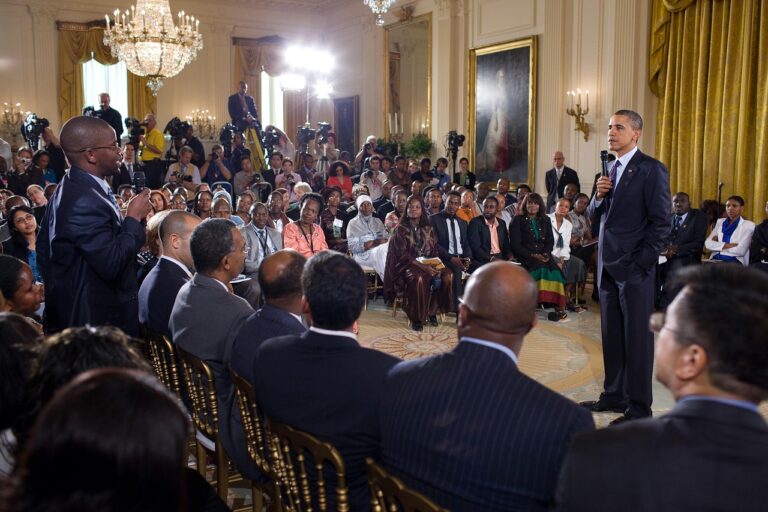
On Wednesday night, President Trump addressed the nation about the Iran war. Markets had been hoping for a ceasefire signal. They got the opposite. Trump called on other nations — not the US — to take the lead in keeping the Strait of Hormuz open, essentially telling the world: we don’t need your oil, figure it out yourselves.
Brent crude was trading around $100 before the speech. Within minutes, it spiked 4.8% to $106.02. West Texas Intermediate followed, climbing 4% to roughly $104. Asian markets cratered — Japan’s Nikkei dropped 1.9%, South Korea’s Kospi plunged 3.5%, and Hong Kong’s Hang Seng fell 1%.
This isn’t noise. This is the market pricing in a prolonged conflict with no end date.
Strait of Hormuz Oil Blockade: Why This Time Is Different
Every geopolitical crisis gets compared to 1973, 1990, or 2022. But here’s what makes the 2026 Iran war oil crisis structurally different: the Strait of Hormuz hasn’t just been threatened. It’s been actually closed for over a month.
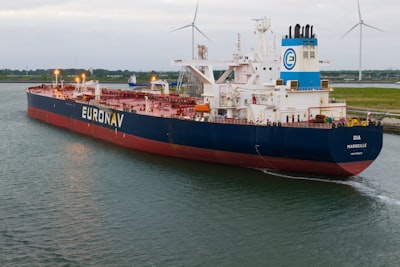
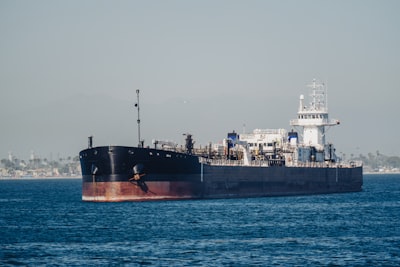
Iran retaliated against US-Israeli strikes that began February 28 by threatening to attack any ship transiting the waterway. Insurance companies pulled coverage. Shipping companies rerouted. The physical flow of oil through the world’s most critical chokepoint dropped to near zero.
Brent crude hit $119 per barrel on Tuesday — its highest since the war started. That’s a 40% jump from pre-war levels. For context, the 2022 Russia-Ukraine disruption pushed Brent to $128. We’re closing in fast.
The last shipment of jet fuel from the Middle East to the UK is arriving this week. After that? Nothing en route. Zero. In 2025, there were typically eight cargoes in transit at any given time. The pipeline is dry.
Oil Price Impact on Consumers: $4 Gas Is Here
American drivers are now paying $4.02 per gallon on average — the first time gas has topped $4 since August 2022. That’s up more than a dollar from the $2.98 average before the war. Diesel has hit $5.45, up $1.70, which means everything transported by truck is about to get more expensive.
In the UK, petrol has hit 152.8p per litre. Diesel is at 182.77p — its highest since December 2022. Energy bills are forecast to rise an average of £288 per year from July for a typical household.
But the real danger isn’t the pump price. It’s the second-order effects. Higher diesel costs feed directly into food prices. Higher energy bills squeeze household budgets. Moody’s is warning that a prolonged crisis could trigger precautionary saving and spending cuts — the textbook ingredients for a recession.
The Bank of England has already warned that Iran war energy shocks could push up mortgage costs for 1.3 million additional homeowners. That’s not hypothetical — it’s the central bank telling you what’s coming.
Iran War Impact on Global Stock Markets
Let’s talk about what this means for your portfolio. The stock market reaction has been sharp and consistent:
- Japan (Nikkei 225): Down 1.9% post-speech — Japan imports nearly all its oil, making it the most vulnerable major economy
- South Korea (Kospi): Down 3.5% — another oil-dependent Asian economy getting hammered
- US futures: Dow and S&P 500 futures down ~1%, Nasdaq down 1.4% — tech isn’t immune
- European markets: Briefly rallied on ceasefire hopes, now giving back gains
Energy stocks are the obvious winners. Airlines are the obvious losers — Korean Air has already taken emergency measures. But the less obvious play is in defensive sectors: utilities, consumer staples, healthcare. When oil shocks hit, investors rotate into things people buy regardless of the price of gas.
Warren Buffett’s recent $17 billion T-Bill purchase is starting to look less like a bet against Bitcoin and more like a general flight to safety. The Oracle of Omaha sees the same thing the bond market sees: uncertainty with an upward bias on yields.
Bitcoin and Crypto During the Oil Crisis: A New Correlation?
Here’s something worth watching. Bitcoin dipped during Trump’s speech while oil rallied. That inverse correlation — crypto down when geopolitical risk spikes — has been strengthening throughout the Iran war.
A Hyperliquid whale just placed an $80 million bet that Bitcoin will crash and oil will rally. That’s not retail panic — that’s institutional conviction about the direction of risk appetite.
The Taiwan Bitcoin reserve debate adds another layer. If geopolitical risk is the new normal, does Bitcoin serve as digital gold — or does it trade like a risk asset that dumps when missiles fly? So far, it’s the latter.
What Can You Do Right Now?
This isn’t a “sit back and watch” moment. Here’s what actually makes sense today:
- Lock in energy costs. If you can fix your electricity or gas rate, do it now. Prices will only go higher if the conflict continues past May.
- Review your portfolio allocation. Energy-heavy? You’re fine. Tech-heavy? Consider trimming or hedging. The Nasdaq’s 1.4% futures drop is a preview, not a floor.
- Stock up on non-perishables. Diesel at $5.45 means food inflation is coming. Buying in bulk now saves money later.
- Watch the Strait. The moment shipping resumes through Hormuz, oil drops 15-20%. But “the moment” could be months away, not weeks.
- Don’t panic-sell crypto. If you hold Bitcoin for the long term, a war-driven dip is noise. But if you’re trading short-term, respect the trend — it’s going down while oil goes up.
The Bottom Line: Oil Prices Iran War 2026
Trump’s speech wasn’t a speech about ending a war. It was a speech about managing expectations. The US isn’t rushing to reopen the Strait of Hormuz. Other nations are being told to solve the energy problem themselves. And the market heard one thing loud and clear: this disruption is not temporary.
$106 oil is not the ceiling. With the Strait still blocked, no ceasefire timeline, and spring demand ramping up, $120 is not a question of if but when. The last time oil was at these levels, inflation ran hot for 18 months and central banks scrambled to catch up.
Prepare accordingly.
Sources: BBC News | BBC — Oil nears highest price | BBC — US gas tops $4 | CoinTelegraph