Will Stablecoins Replace Your Bank Account? How $315B Is Quietly Disrupting Banking in 2026
Imagine walking into a coffee shop, tapping your phone, and paying in USDC instead of dollars. No bank delays. No withdrawal fees. No “pending” status that hangs for days. This isn't some distant crypto fantasy — it's happening right now, and the numbers are staggering.
In Q1 2026, the stablecoin supply hit $315 billion. That's a 47% increase from the same period last year. But here's what most people miss: this isn't just crypto traders piling in. It's everyday users, businesses, and yes — increasingly, traditional banks themselves.
What驱动 Stablecoin Growth in 2026?
The surge isn't random. Three catalysts are pushing stablecoins from niche crypto tool to mainstream payment method:
1. Speed and cost. Traditional wire transfers take 2-5 business days. Stablecoin transactions settle in seconds — often for a fraction of a cent in fees. For businesses running across borders, this is transformative. A company in Bangladesh can pay a supplier in Dubai instantly, without routing through three intermediary banks.
2. Yield accessibility. Remember when you could actually earn 4-5% on savings accounts? Those days are gone. Stablecoin yield protocols now offer 8-15% APY on USDC deposits — significantly higher than any traditional bank. The risk? Smart contract bugs and de-peg events. But for many, the spread is worth it.
3. Institutional adoption. This is the big one. BlackRock, Fidelity, and now Coinbase (with their historic OCC approval) are moving into crypto custody. When major financial institutions start offering stablecoin products, legitimacy follows. The $315B milestone isn't retail speculation — it's institutional positioning.
USDC Rising, USDT Declining — What It Means
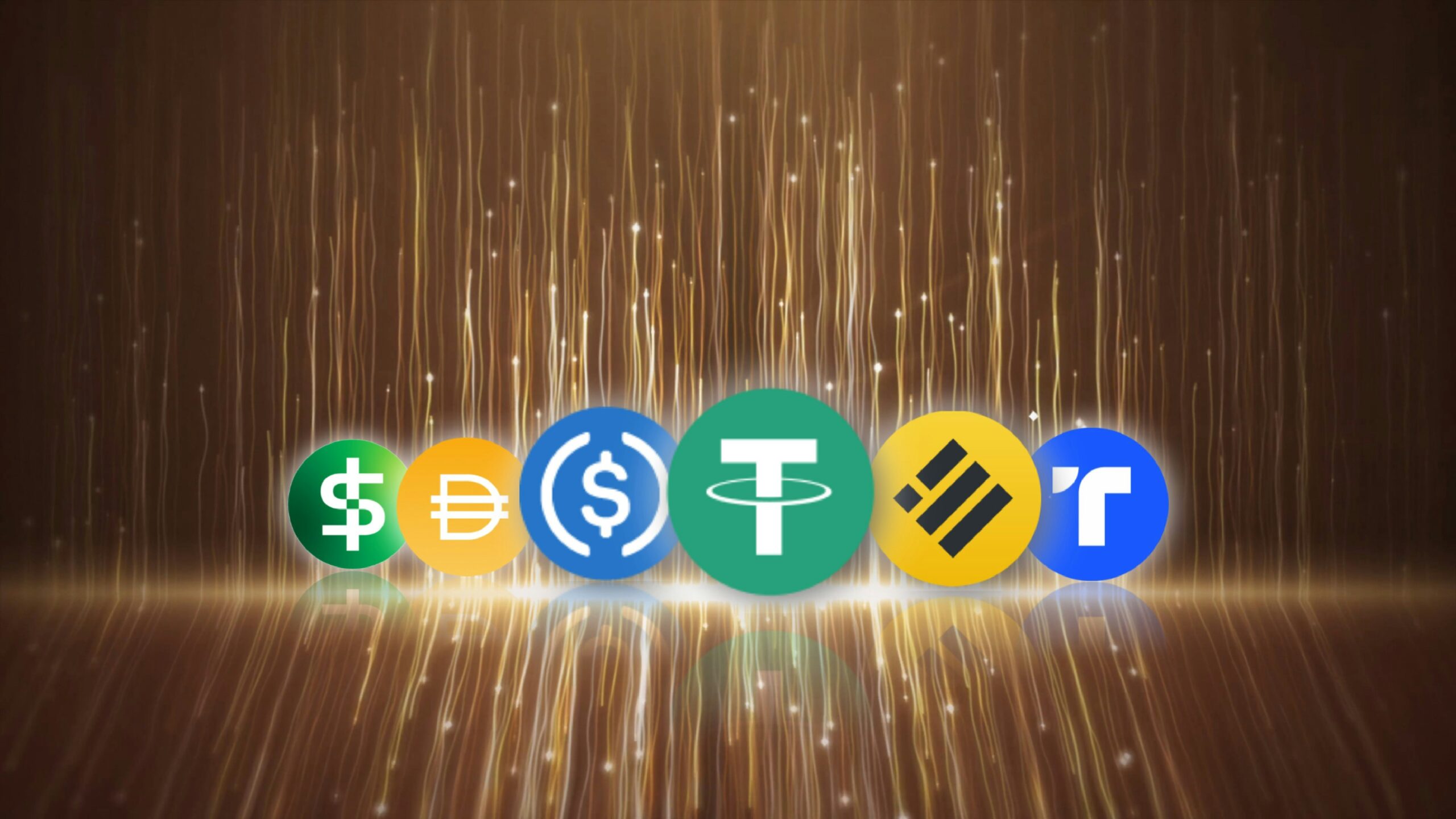
Here's an interesting shift: USDC is gaining market share while USDT is declining. For years, Tether dominated with ~80% of the market. Now, the gap is narrowing. Why?
Trust. USDC's transparent reserves and Circle's regulatory cooperation make it the “clean" option. USDT's opacity — despite audit assurances — keeps institutional buyers cautious. As traditional finance enters crypto, compliance matters. USDC is winning the “regulated stablecoin" narrative.

Could Your Bank Account Become Obsolete?
Here's where it gets interesting. Imagine a world where:
- Your salary lands in USDC the second your employer transfers it
- You earn 12% APY simply by holding — no "minimum balance" requirements
- Sending money to family abroad costs $0.01, not $25
- You never pay an overdraft fee again
This sounds like marketing. But for millions globally — especially in regions with unstable banking infrastructure — this is already reality. In countries like Nigeria, Argentina, and the Philippines, stablecoins are becoming functional alternatives to dysfunctional local banking.
The Barriers Remain Real
Let's not pretend this is frictionless. Tax reporting is a nightmare. Converting back to fiat still involves delays. And if stablecoins de-peg? The 2022 UST collapse showed what happens when trust breaks. These aren't solved problems.
Plus, there's the regulatory question. The USSEC and global regulators are still figuring out how to classify stablecoins. Clarity would help. But as the Q1 2026 data shows, users aren't waiting for permission.

What You Can Do TODAY
Whether you're a crypto native or just curious, here's a practical path forward:
Step 1: Start small. Convert $100 of savings to USDC on Coinbase or Kraken. See how it feels to have money that settles instantly.
Step 2: Explore yield. Try a protocol like Aave or Compound with a test amount. Park $50, earn yield. Watch itcompound for a month.
Step 3: Send a test transaction. Send $1 of USDC to a friend who uses crypto. Experience the speed.
This isn't advice to abandon banks. It's recognition that the financial landscape is shifting. The $315B stablecoin market isn't waiting.
Your bank account isn't going anywhere today. But in five years? The question may not be whether stablecoins replace banking — but whether your bank adapts first.
Bottom Line
The stablecoin market reached $315 billion in Q1 2026 — a number that would have seemed absurd three years ago. USDC is gaining ground on USDT. Institutional players are entering. Yield opportunities exceed traditional banking by miles.
The future of money might not look like cash or checks. It might look like USDC on your phone, earning yield while you sleep. The question is whether you'll be ready when it does.
Will stablecoins replace your bank account? Maybe not yet. But the gap between "banking" and "stablecoins" is closing fast. The only question is how fast you adapt.
What's your move? Have you tried stablecoins? Share your experience in the comments.
Related Reading
- Bitcoin Holders Face $600B in Unrealized Losses — Is This the Calm Before the Storm?
- Could Arizona Make XRP a State Treasury Asset? — What the Historic SB1649 Bill Means for Crypto in 2026
Sources
Sources: Cointelegraph | Polymarket Q1 Data