
Will African Swine Fever Crush Spain’s 5B Pork Industry? What the Data Shows for April 2026
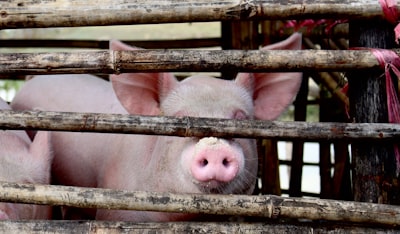
Spain’s pork industry — Europe’s largest, worth a staggering €25 billion — is facing an existential threat. And most people haven’t even heard about it.
Late last year, African Swine Fever (ASF) was detected in wild boars near Barcelona. Since then, the dominoes have been falling fast. Brazil, Japan, Mexico, South Africa, and the United States have all stopped importing Spanish pork. The export restrictions have already cost the industry over €600 million, and the worst part? This is just the beginning.
Let’s break down what’s happening, why it matters to you, and what the next 12 months could look like.
How Bad Is the Damage?
Each pig sold for slaughter has lost about €30-40 in value since the outbreak began. That might not sound like much, but when you’re dealing with millions of pigs, the numbers add up fast.
In Catalonia alone — the heart of Spain’s pork production — exports dropped 17% in January compared to the same period last year. The region accounts for a massive share of Spain’s pork exports, and the decline is accelerating.
“Each pig we sell for slaughter has lost about €30 to €40 of its value compared to before the outbreak,” explained Jordi Saltiveri, president of the federation of farming cooperatives in Catalonia. “I’m worried because we’re suffering big losses.”
And here’s the scary part: once a country is officially flagged as ASF-positive, it takes at least 12 months after the disease is fully eliminated before export status can be restored. That means this isn’t a short-term problem — it’s a multi-year crisis.
Why This Matters Beyond Spain
You might be thinking: “This is a Spanish problem, why should I care?” Here’s why this should be on your radar:
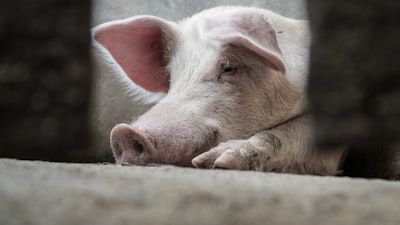
First, Spain is the EU’s biggest pork producer. If Spain goes down, the entire European pork market gets disrupted. Germany already learned this the hard way — ASF devastated their pork industry, cutting production by roughly 25% and forcing thousands of farms to close.
Second, pork is one of the world’s most consumed meats. Any supply shock ripples through global food prices. If you’re buying groceries in 2026, expect higher pork prices — and possibly higher alternatives like chicken or beef as consumers shift.
Third, this is a textbook example of how a single disease outbreak can cascade into a geopolitical economic crisis. The wild boar population in Catalonia is estimated at 120,000-180,000 animals. Controlling them is like trying to herd cats — except these cats can carry a virus that kills nearly 100% of pigs they infect.
What’s Being Done?
The Catalan government has mobilized an aggressive response: 24,000 wild boars culled so far this year, with a goal of cutting the population in half. They’re using net traps, metal box traps, and silenced firearms. Drones and cameras monitor the effort.
But critics, like the agricultural market Mercolleida, say it’s not enough. They warned in February that the culling was too slow, and now the entire industry is paying the price.
The Spanish government is pointing to Belgium as a success story — that country eliminated ASF just 14 months after its first case. But Spain faces a much larger wild boar population and a more intensive farming sector.
What’s the Outlook?
If Spain can’t contain the outbreak, we’re looking at a multi-year restructuring of the European pork industry. Spain’s pork farmers are already bracing for impact, and many smaller operations may not survive the next 18 months.
For consumers: expect pork prices to rise 10-20% by late 2026 if supply remains constrained. For investors: this is a sector to watch carefully. Companies tied to Spanish pork production could face headwinds, while alternative protein producers might benefit.
For policymakers: the ASF crisis is a reminder that biosecurity isn’t just about animal health — it’s a matter of economic national security.
The Bottom Line
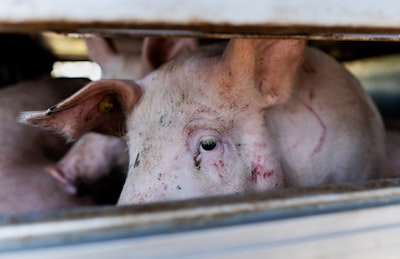
Spain’s pork industry is at a crossroads. The next 12 months will determine whether it bounces back like Belgium or collapses like Germany did years ago.
If you’re in the food industry, agriculture, or commodity markets — this is a story to watch closely. The domino effects of a €25 billion industry collapsing would reach far beyond Spanish borders.
The wild boar population control efforts will determine whether Spain survives this crisis or becomes another cautionary tale in the history of animal disease outbreaks.
What do you think — can Spain contain African Swine Fever before it destroys the country’s pork industry? Drop your thoughts in the comments.
Related Reading
- Will Oil Hit 20? What Trump’s Iran Threats Mean for April 2026
- Why France Pulled 5 Billion in Gold From the US — And What It Signals for the Dollar
- Private Credit Just Hit a Wall — Barings Freezes .9 Billion in Investor Withdrawals
Sources: BBC News | BBC Business