Stablecoin-Powered Payments Explode in Southeast Asia — The Future of Everyday Crypto Spending Is Here
While the world watches geopolitical tensions shake traditional markets, a quieter revolution is unfolding in Southeast Asia: stablecoins are becoming the invisible backbone of everyday payments. A Singapore-based company called StraitsX has seen its card transaction volume surge 40x in just one year, signaling that crypto-powered payments are no longer a niche experiment — they are going mainstream.
Key Facts
- StraitsX saw card transaction volume surge 40 times between Q4 2024 and Q4 2025
- Cards issued grew even faster at an 83-fold increase in the same period
- Global crypto card monthly volumes grew from $100M in early 2023 to over $1.5B by late 2025 (106% CAGR)
- Total onchain crypto card spending grew 420% in 2025 alone, from $23M to $120M per month
- Visa captured over 90% of onchain card volume, with stablecoin-linked card spend reaching a $3.5B annualized run rate
- RedotPay, a StraitsX partner, processed over $2.95 billion in card volume in 2025
- StraitsX is launching its stablecoins (XSGD and XUSD) on Solana with support for machine-to-machine micropayments
- The company has processed nearly $30 billion in cumulative stablecoin transactions
What This Means for You
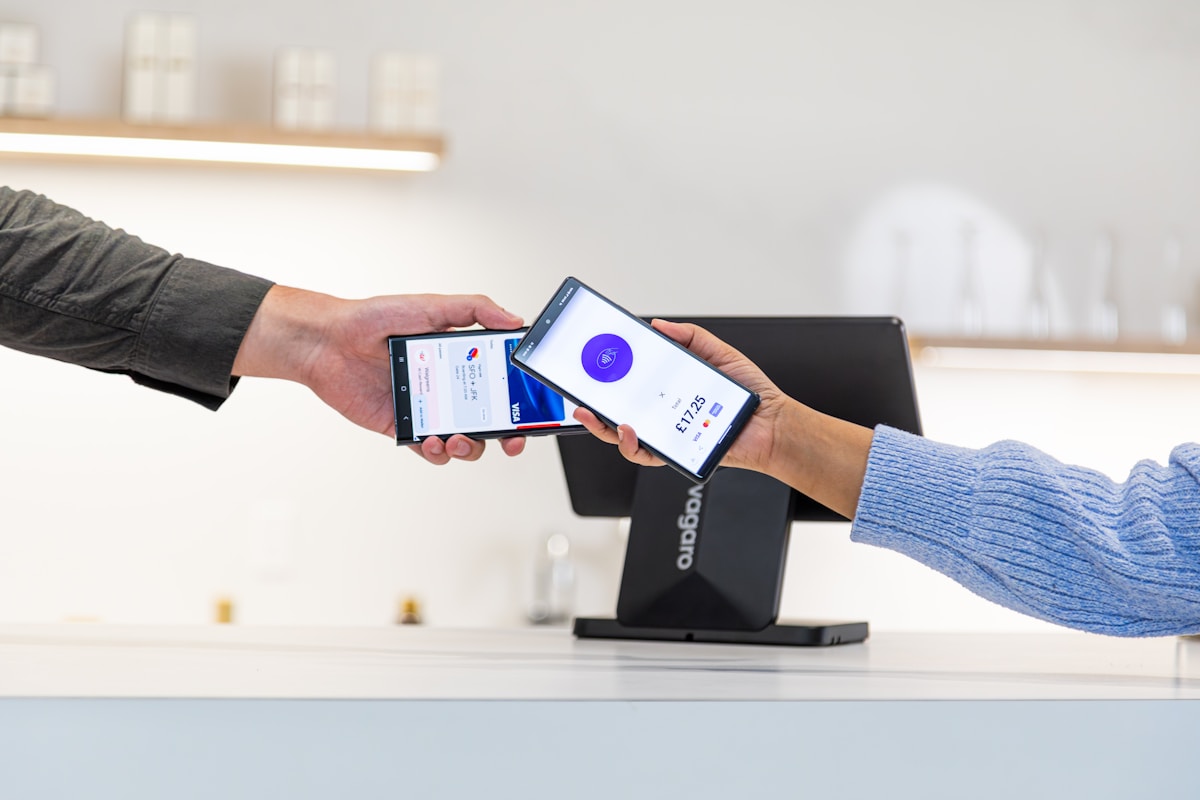
Crypto payments are becoming seamless. The technology is designed to be invisible — you tap your card, and stablecoins settle the transaction behind the scenes. For everyday users, this means spending crypto feels exactly like using a regular debit card. No technical knowledge required.
Lower fees are on the horizon. As stablecoin infrastructure matures and moves to high-speed blockchains like Solana, transaction fees are dropping close to zero. This could eventually translate to lower costs for consumers compared to traditional banking fees.
Cross-border payments get easier. A tourist from Bangkok can tap to pay in Singapore using their Thai e-wallet powered by stablecoins. If you send money internationally or travel frequently, stablecoin-backed cards could save you significant money on exchange rates and transfer fees.
Consider your options. If you hold stablecoins like USDT or USDC, crypto card programs are worth exploring. Look for programs backed by major card networks (Visa, Mastercard) for the widest acceptance. Always check the fee structure before signing up.
The broader trend is clear. The line between traditional finance and crypto is blurring fast. Whether you are a crypto enthusiast or a skeptic, stablecoin-powered payments are becoming part of the global financial infrastructure — especially in emerging markets.
Sources: CoinDesk