Oil Prices Surge Past $115 as Iran War Escalates — What It Means for Your Wallet
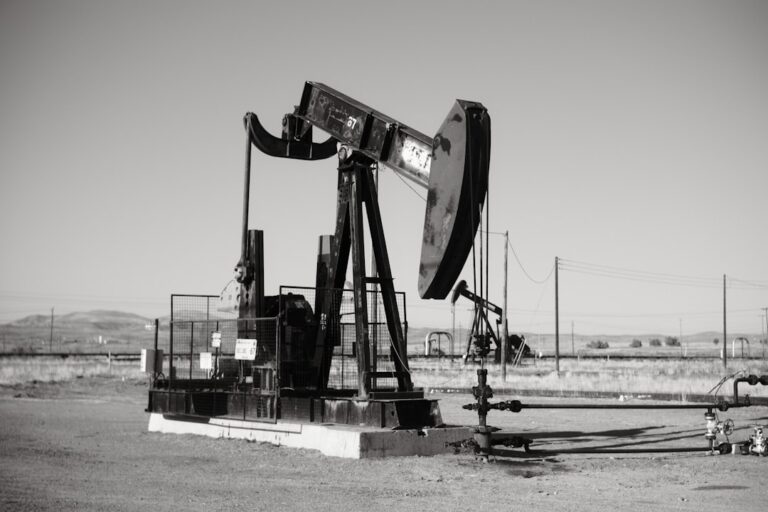
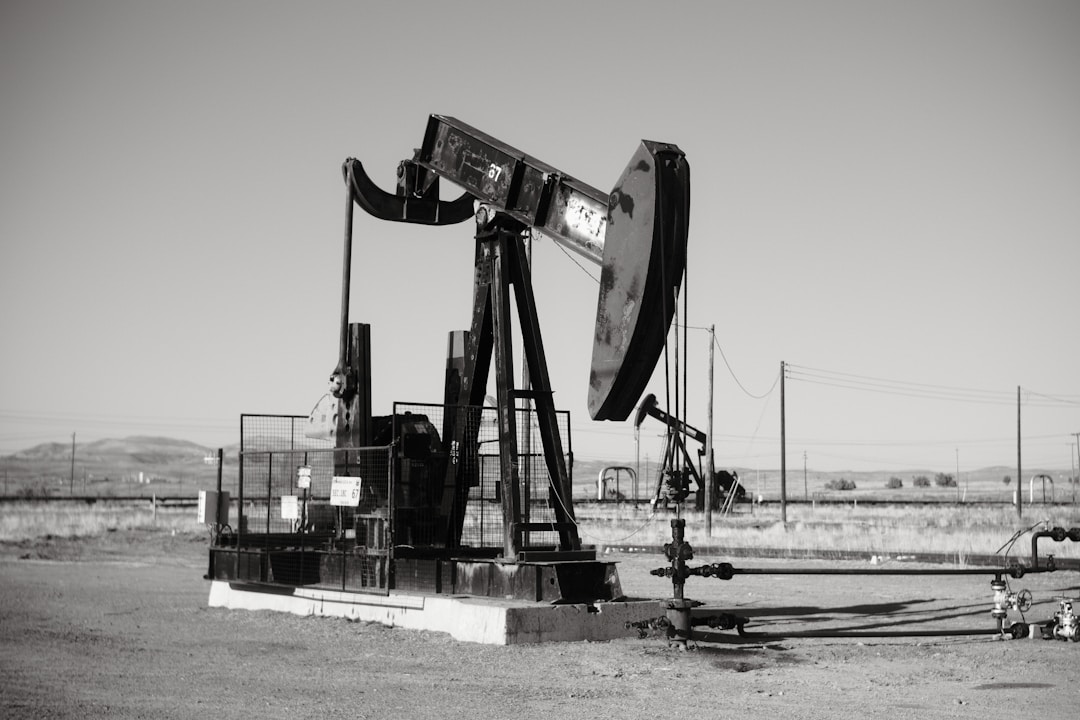
Global oil prices have surged past $115 a barrel as the US-Israel war with Iran enters its fifth week, sending shockwaves through financial markets and threatening household budgets worldwide.
Key Facts
- Brent crude jumped over 3% to above $115/barrel; US-traded oil hit $101.62
- Brent is on track for its biggest monthly gain on record — up from $72 in late February
- Iran-backed Houthi rebels in Yemen struck Israel over the weekend, expanding the conflict
- Trump threatened to seize Iran’s Kharg Island oil hub, comparing it to Venezuela
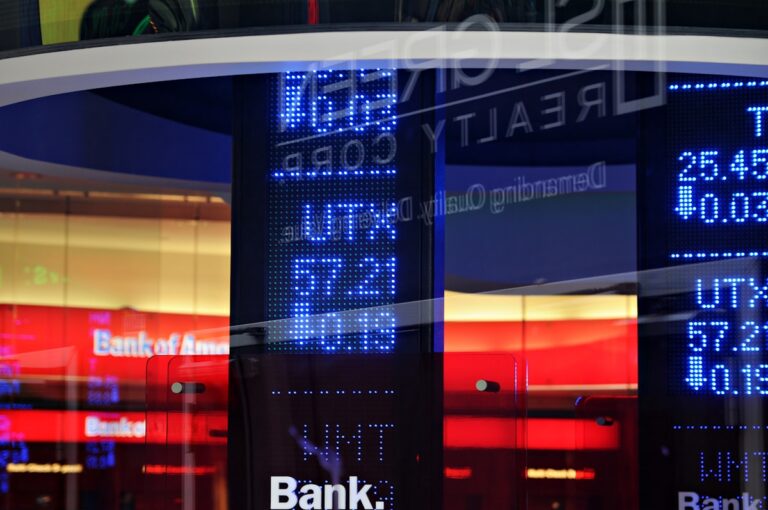
- Japan’s Nikkei fell 2.8%, South Korea’s Kospi dropped nearly 3%
- Experts warn oil could hit $130/barrel in coming weeks
- The Strait of Hormuz — through which 20% of global oil passes — has largely come to a standstill
- 20-30% of the world’s seaborne fertiliser originates from the Gulf, threatening food prices
What This Means for You
Fuel costs are going up fast. If you drive, expect petrol and diesel prices to climb sharply in the coming weeks. Consider carpooling, public transport, or consolidating errands to reduce fuel spending.
Grocery bills will follow. Higher oil prices raise transportation and fertiliser costs, which inevitably flow through to food prices. Stocking up on non-perishable staples now could save money later.
Markets are volatile. If you have investments in stocks or crypto, expect continued swings. Bitcoin dipped below $65,200 before recovering to $67,400. This is not the time for panic selling — stay diversified and avoid leveraged positions.
Inflation risk is real. Analysts are comparing this to the 1970s oil crisis. If you have variable-rate debt, consider locking in fixed rates where possible. Build up your emergency fund if you haven’t already.
Energy efficiency pays off. Now is a great time to audit your energy consumption — at home and on the road. Small changes add up when prices are this elevated.