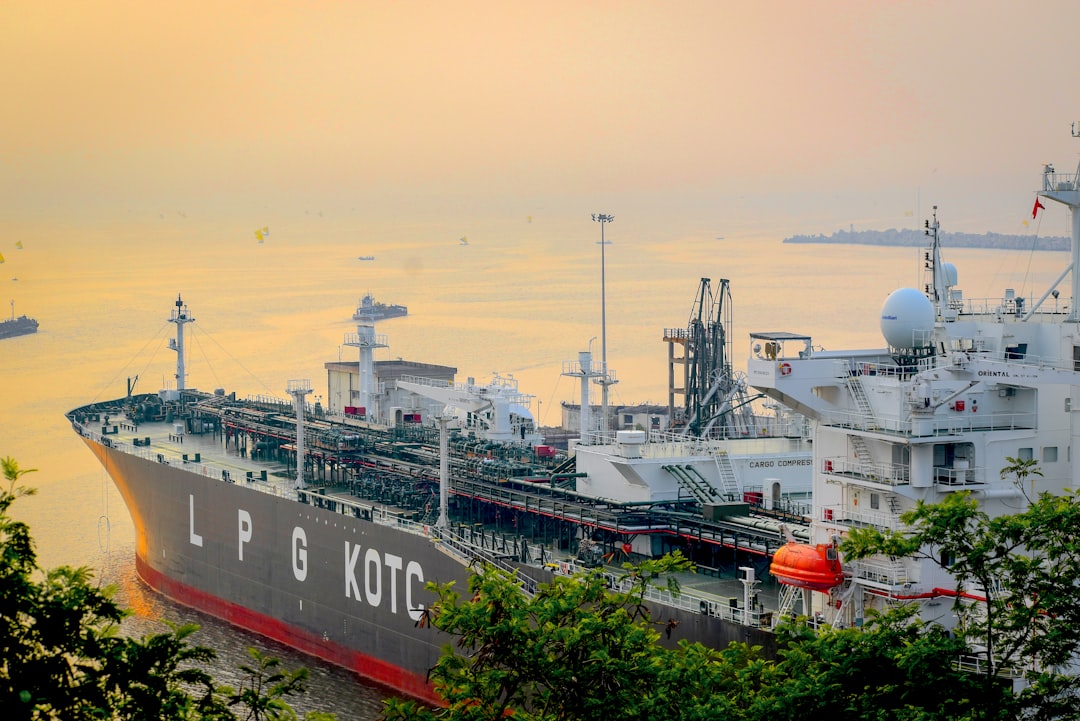
Oil Prices Spike Above $115 as Iran War Enters Fifth Week — What It Means for Your Wallet
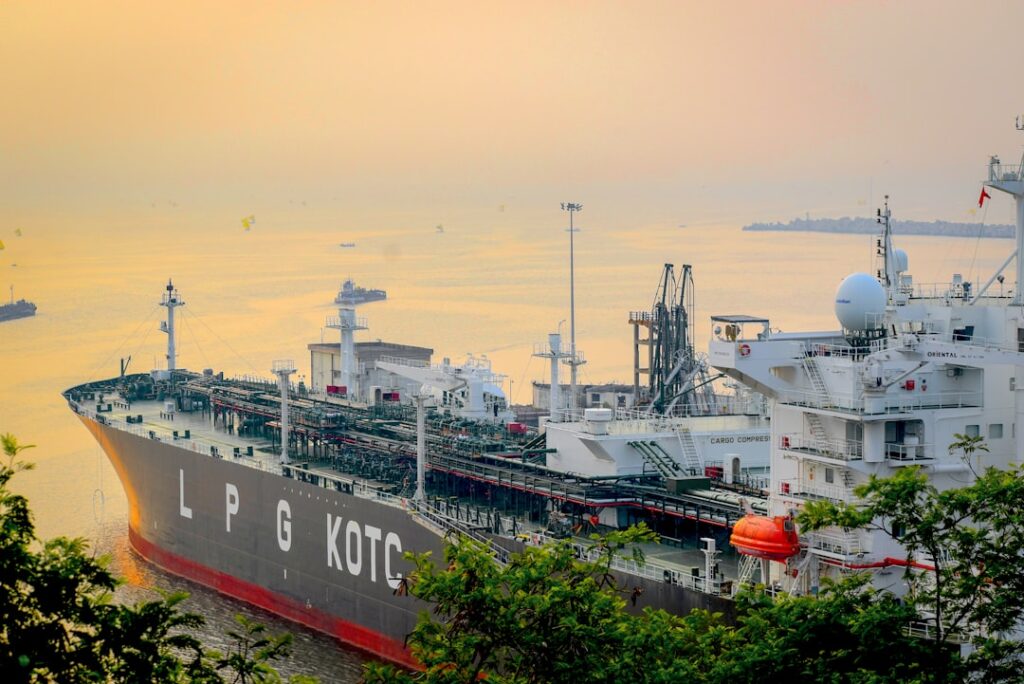
Global oil prices surged past $115 a barrel on Monday as the US-Israel war with Iran entered its fifth week, rattling stock markets across Asia and sending energy costs sharply higher for consumers worldwide.
Key Facts
- Brent crude rose 3%+ to above $115/barrel, while US-traded oil hit $101.62 — Brent is on track for its biggest monthly gain ever recorded
- Iran-backed Houthi rebels joined the conflict, striking Israel over the weekend, and Iran threatened retaliatory strikes against US and Israeli officials
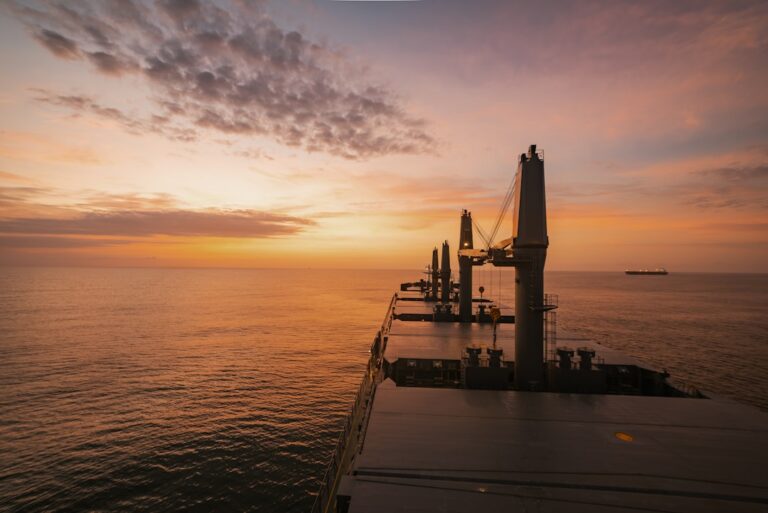
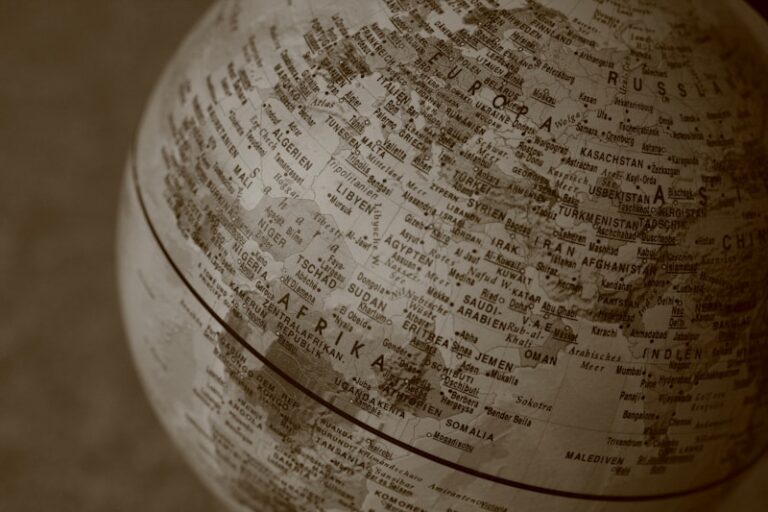
- Strait of Hormuz largely shut down — around 20% of world oil/gas supply usually passes through this narrow waterway, now at a standstill
- Japan’s Nikkei fell 2.8%, South Korea’s Kospi dropped nearly 3%, with broader Asian markets sliding
- Brent was at $72 on Feb 27 — the day before the conflict began — meaning prices have jumped roughly 60% in one month
- Analysts warn Brent could hit $130 in coming weeks if threats to global energy supply continue
What This Means for You
The oil shock is not just an abstract market event — it directly hits your everyday expenses:
- Fuel costs are spiking. Petrol prices are already above 150p per litre in some markets. Expect further increases at the pump as refineries pass on higher crude costs.
- Food prices will follow. 20-30% of the world’s seaborne fertiliser comes from the Gulf region. Higher fertiliser costs mean higher food production costs, especially impacting developing nations.
- General inflation risk is real. Energy is a core input for nearly everything. If oil stays elevated, expect knock-on effects in transport, manufacturing, and daily goods.
- Review your budget now. Build a buffer for higher energy and food costs. Consider locking in fixed-rate energy contracts where possible.
- Portfolio impact: Energy stocks may benefit, but broader equities face headwinds. Diversification matters more than ever during geopolitical shocks.
Expert analysts warn this conflict could have a “substantially larger” impact than the 1970s oil crisis, which triggered widespread economic chaos. The key variable remains whether the Strait of Hormuz reopens — until then, energy markets remain on edge.
Sources: BBC News