Oil Surges Past $115 as Iran Conflict Enters Fifth Week — What It Means for Your Wallet
Global oil prices have jumped sharply as the US-Israel war with Iran enters its fifth week, sending Brent crude above $115 a barrel — its highest levels since 2022. Here’s what’s happening and how it could affect your finances.
Key Facts
- Brent crude rose over 3% to above $115/barrel; US-traded WTI climbed to $101.62
- Brent is on track for its biggest monthly gain on record, up from ~$72 in late February
- Iran-backed Houthi rebels struck Israel over the weekend, escalating the conflict
- Trump threatened to seize Iran’s Kharg Island oil hub and “take the oil”
- Japan’s Nikkei 225 lost 2.8%; South Korea’s Kospi fell nearly 3%
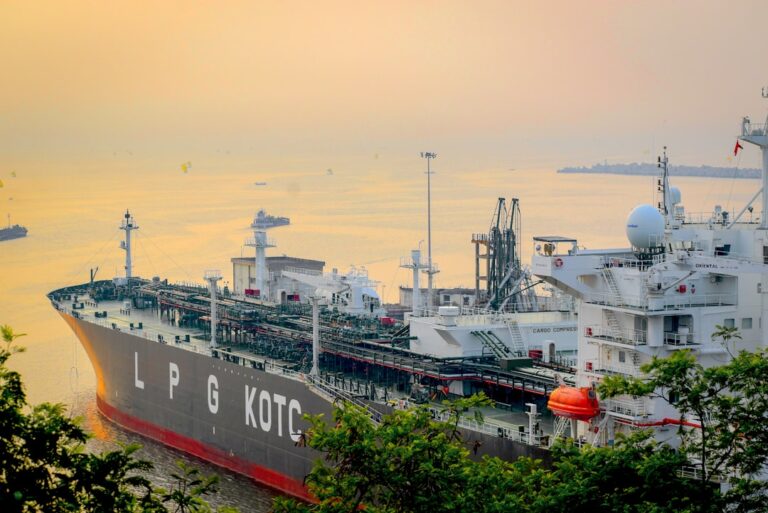
- The Strait of Hormuz — carrying 20% of global oil/gas — is largely at a standstill
- Analysts warn Brent could hit $130/barrel in the coming weeks
- 20-30% of world seaborne fertiliser originates from the Gulf, threatening food prices
What This Means for You
Fuel costs are rising fast. UK petrol has already topped 150p per litre, and prices globally are climbing. If you drive, expect to pay more at the pump — and budget accordingly for the coming months.
Grocery bills will follow. Higher oil prices don’t just mean expensive fuel. Shipping costs rise, fertiliser prices spike (since 20-30% of global fertiliser comes from the Gulf), and food production gets more expensive. Experts warn this impact will be “substantially larger” than the 1970s oil crisis.
Inflation could reignite. Central banks that were cutting rates may be forced to pause or reverse course. If you have a variable-rate mortgage or loan, keep a close eye on interest rate decisions.
Consider your portfolio exposure. Energy stocks tend to benefit from rising oil prices, while growth stocks and tech often suffer. Review your investments and consider whether your portfolio is positioned for a higher-inflation environment.
Build your emergency buffer. With food, fuel, and energy costs all trending up, having 3-6 months of expenses saved is more important than ever. Cut discretionary spending where you can and prioritise essentials.
As investment partner Judith McKenzie noted: “Oil shocks don’t show up instantly” — the full impact is still working its way through the supply chain. Prepare now rather than react later.
Sources
Sources: BBC News | BBC – Trump & Oil Markets | BBC – Petrol Prices