Oil Prices Hit Highest Level Since Iran War Started — Will Crude Break $120 Before May 2026?
Oil prices just touched levels not seen since the Iran war kicked off five weeks ago. Brent crude hit $103.70. WTI crossed $101. The OPEC basket is sitting at $117. These aren’t panic numbers — yet. But they’re the kind of steady climb that catches ordinary people off guard because it doesn’t make headlines until your gas bill doubles.
Here is what most coverage misses: this isn’t just about Iran. It is about a global oil market that was already stretched thin before a single missile flew. The question isn’t whether oil prices will keep rising. It is whether the current Iran conflict trajectory turns a tight market into a genuine supply crisis.
Why Oil Prices Are Surging Five Weeks Into the Iran War
When the conflict started, markets shrugged. Oil spiked $8 in a day, then gave half of it back. Traders assumed — as they always do — that the disruption would be brief. Five weeks later, that assumption looks naive.
Three things changed.
First, the Strait of Hormuz became a real risk. Roughly 20% of global oil transits through that narrow waterway. Iran has threatened to close it before. This time, with active military operations on Iranian soil, the threat carries actual weight. Shipping insurance premiums through the Strait have tripled since February. Tanker rates from the Persian Gulf to Asia hit $12 per barrel — levels last seen during the 2019 tanker attacks.
Second, spare capacity is a myth. Saudi Arabia claims it can pump 12 million barrels per day. In practice, they have rarely sustained above 10.5. The UAE is maxed. Russia is redirecting every barrel it can sell to China and India at discounts. There is no cavalry. When analysts say OPEC has spare capacity, what they mean is OPEC has theoretical capacity that has never been tested at scale during an actual supply disruption. That is a very different sentence.
Third, speculative money is pouring in. Hedge fund net long positions in Brent crude have jumped 40% since the war started. This isn’t driven by fundamentals alone — it is driven by the same fear-of-missing-out that sent natural gas to $9 in 2022. Money follows momentum. Momentum follows headlines. And the headlines are not getting better.
The Real Oil Price Impact: It Is Not Just Gas Stations
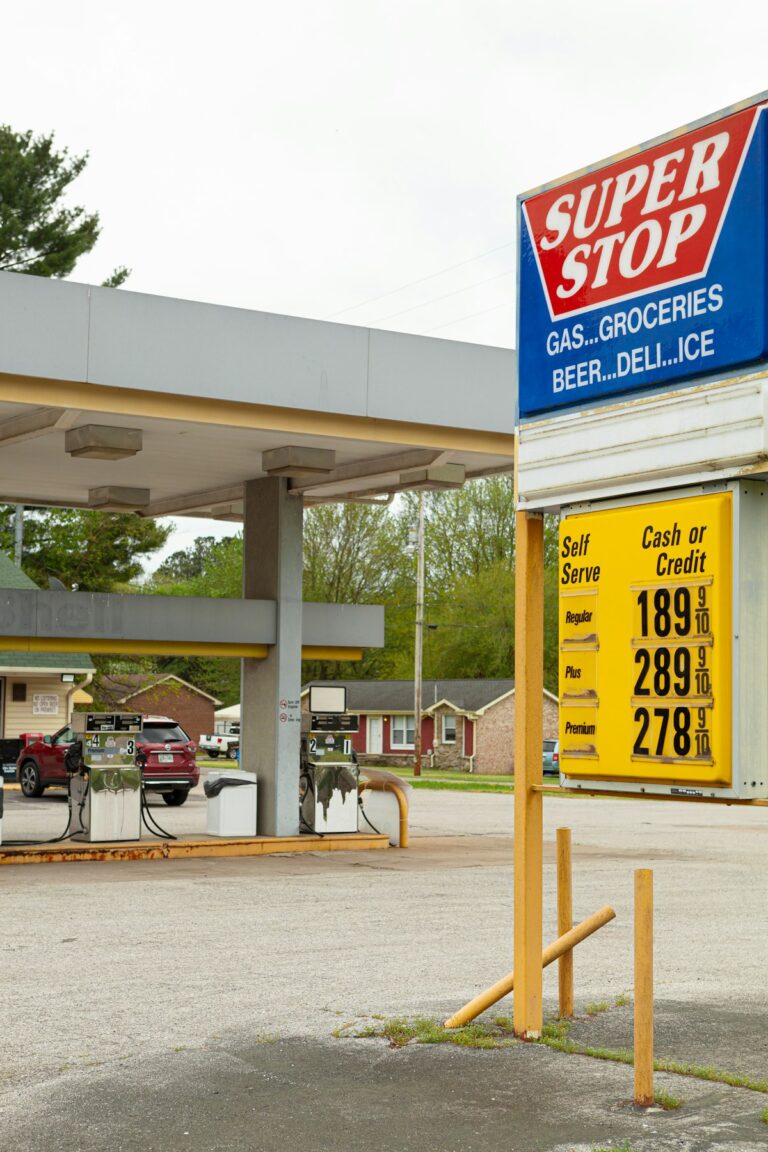
Gas prices already crossed $4 per gallon in the US for the first time since 2022. But crude oil at $100+ ripples through everything. Jet fuel. Shipping costs. Petrochemicals. Plastics. Fertilizer. Food.
Consider this: every $10 increase in crude oil adds roughly 0.3% to global inflation within six months. We are looking at a potential $30-40 increase from pre-war levels. That is 1-1.3% additional inflation layered on top of economies that were just starting to get price growth under control.
The European Central Bank was preparing to cut rates this summer. The Fed was signaling patience. Both plans are now on hold. Central banks face a brutal choice: cut rates to support growth while oil-driven inflation eats purchasing power, or hold rates steady and risk tipping fragile economies into recession.
What Happens If Oil Hits $120?
At $120 Brent — which is only 15% above current levels — we enter uncharted territory for the post-pandemic economy. Here is the math:
- US gasoline approaches $5 per gallon nationally
- European diesel prices push past EUR 2 per liter
- Airlines start cutting routes and hiking fares 15-20%
- Shipping costs double from already elevated levels
- Food price inflation returns as fertilizer and transport costs compound
This isn’t hypothetical. In 2022, when oil last traded near $120, global food prices hit an all-time high. The correlation between crude oil and food costs is tighter than most people realize — roughly 0.7 over rolling 12-month periods.
How Trump and Oil Markets Move in Lockstep
There is an uncomfortable truth about oil prices and this administration: they move together. Trump’s social media posts about the Iran conflict cause immediate price swings. A hawkish statement adds $2-3 to crude within hours. A conciliatory tone drops it just as fast.
This creates a bizarre feedback loop. The president’s rhetoric influences oil traders. Oil prices influence inflation. Inflation influences voter sentiment. Voter sentiment influences the president’s rhetoric. It is a tango, and right now the music is getting faster.
What the 1970s Oil Crisis Teaches Us About Today
Comparisons to the 1973 oil embargo are inevitable. They are also partially wrong. The 1970s crisis was a deliberate supply cut by OPEC in response to US support for Israel. Today’s situation involves active military conflict disrupting a major oil-producing nation, combined with pre-existing supply tightness.
But there is one parallel that matters: speed of transmission. In 1973, it took months for oil prices to feed through to consumer prices. Today, with just-in-time supply chains and algorithmic commodity trading, the lag is weeks. The faster transmission means central banks have less room to maneuver and consumers feel pain sooner.
Can Diplomacy Stop the Surge?
Reports surfaced this week that Iran has signaled willingness to negotiate an end to the conflict. Oil prices immediately dropped 3-4% on the news. But here is the thing about ceasefire rallies — they fade fast. Even if hostilities stop tomorrow, the structural supply issues remain. Iran’s oil infrastructure has been damaged. Restarting production takes months, not days. And the insurance premiums on Strait of Hormuz shipping won’t normalize until there is sustained peace — not just a pause.
What You Can Do Right Now
Whether you are an investor, a commuter, or a small business owner, oil at $100+ demands action — not panic, but preparation.
For investors: Energy stocks remain undervalued relative to crude prices. Companies with low production costs and strong balance sheets — think majors, not speculative E and Ps — offer leverage to sustained high prices. Also consider: agricultural commodities tend to follow oil with a 2-3 month lag.
For consumers: Lock in fixed-rate energy contracts if available in your area. Fill your tank before weekend price adjustments. If you have been considering an EV, the payback math just improved significantly.
For businesses: Review fuel surcharge clauses in supplier contracts. If you are not passing through energy costs, you are absorbing margin compression. Update your forecasts — the consensus for oil back to $80 by summer is looking increasingly delusional.
The Bottom Line: Oil Prices Aren’t Coming Down Soon
The Iran conflict provided the spark. But the kindling was already there — thin spare capacity, underinvestment in new production, speculative capital looking for inflation hedges. Even in the best-case scenario with rapid ceasefire and no Strait of Hormuz disruption, oil settles at $85-90. In the realistic case, we are looking at $100+ through the summer.
Plan accordingly. The market is telling you something. Listen.
Sources: BBC Business | OilPrice.com | CNBC | Al Jazeera