FTX Engineer Nishad Singh Fined $3.7M by CFTC — Is Crypto Accountability Finally Working in April 2026?
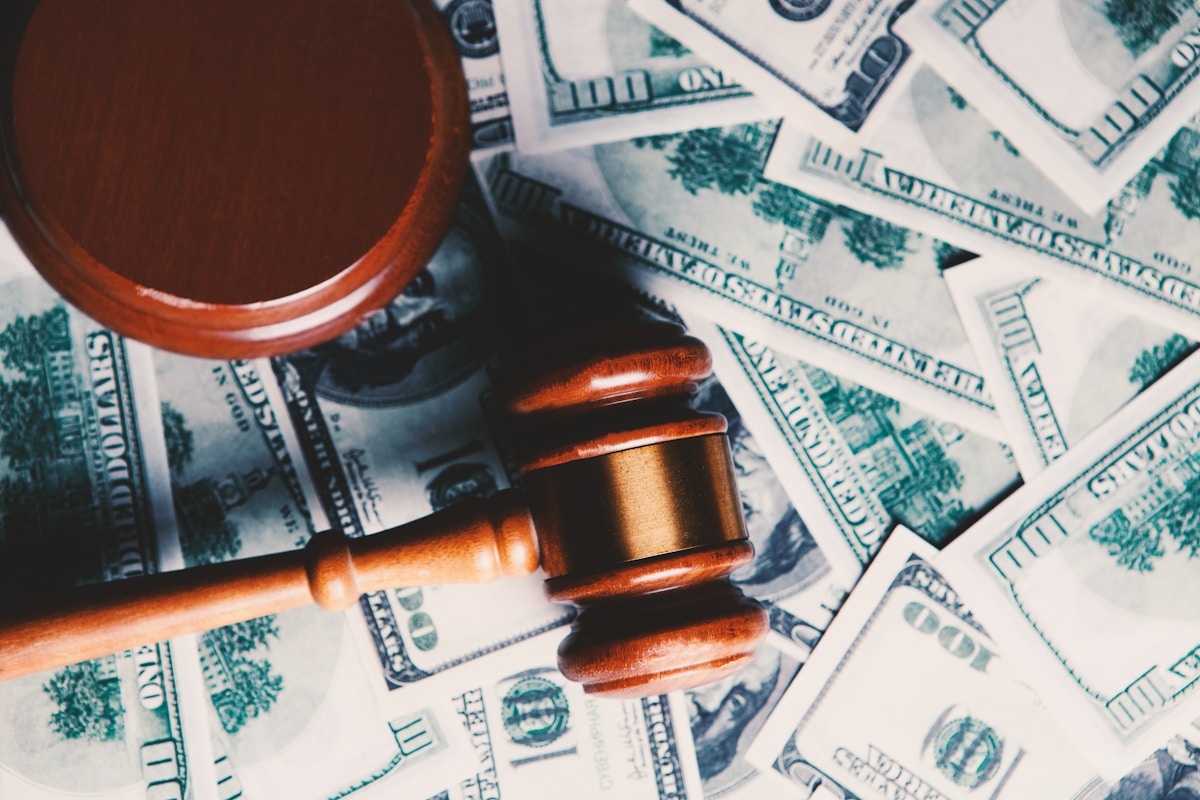
The US Commodity Futures Trading Commission (CFTC) has finalized its case against Nishad Singh, the former head of engineering at FTX, ordering him to pay $3.7 million in disgorgement along with a five-year trading ban and eight-year registration ban.
It is one of the last pieces of the FTX puzzle falling into place — more than three years after the exchange collapsed in November 2022 and wiped out billions in customer funds.
What the CFTC Actually Ordered
According to the CFTC official statement, the supplemental consent order includes:
- $3.7 million disgorgement — Singh must return profits gained through his role in the fraud
- 5-year trading ban — He cannot trade in CFTC-regulated markets
- 8-year registration ban — He cannot obtain a license to operate in the commodities/crypto sector
Notably, the CFTC did not impose additional civil monetary penalties or restitution beyond the disgorgement. David Miller, the CFTC’s director of enforcement, said the lighter penalty reflects Singh’s cooperation with investigators.
“The defendant engaged in, and aided, significant violations of the Act and CFTC regulations as the former FTX head of engineering, and the consent orders reflect the severity of these violations. But this resolution also reflects the Commission’s commitment to rewarding and incentivizing material assistance in Division investigations.” — David Miller, CFTC
Singh’s Legal Journey: From Decades in Prison to Time Served
Singh was charged by three separate US agencies after FTX collapsed:
- CFTC (February 2023): Fraud by misappropriation and aiding/abetting Sam Bankman-Fried’s fraud
- SEC (February 2023): Misuse of customer funds and securities fraud — settled in December with an 8-year industry ban
- DOJ (criminal): Fraud and campaign finance violations — originally facing decades in prison
Singh cooperated extensively with prosecutors, testifying against Bankman-Fried during the criminal trial. His reward: time served plus three years of supervised release instead of a lengthy prison sentence.
The Bigger Picture: FTX Reckoning in 2026
Singh’s CFTC settlement closes one of the final regulatory chapters from the FTX saga. Other key outcomes so far:
- Sam Bankman-Fried — 25 years in prison (sentenced March 2024)
- Caroline Ellison (Alameda CEO) — 2 years in prison
- Ryan Salame — 7.5 years in prison
- FTX Recovery Trust — Distributed $2.2 billion to creditors in March 2026
For creditors, the slow drip of recoveries continues. For the industry, the question is whether these prosecutions actually deter future fraud — or just set the going rate for cooperation.
What This Means for Crypto Regulation
Singh’s case highlights a tension in US crypto enforcement: cooperation gets you leniency, but the underlying fraud still happened. The CFTC explicitly stated it wants to “reward and incentivize” future whistleblowers.
This creates a practical playbook for anyone inside a crypto company witnessing fraud:
- Report early and cooperate fully
- Expect significant financial penalties, but potentially no prison time
- Your career in the industry is effectively over (8-year ban)
Whether this approach actually prevents the next FTX remains to be seen. But with the GENIUS Act stablecoin framework advancing through Congress and institutions like EDX Markets seeking OCC charters, the regulatory infrastructure around crypto in the US is tightening fast.
The message from April 2026 is clear: crypto’s wild west era is ending — one settlement at a time.
Sources: CFTC Official Statement, CoinTelegraph, SEC Litigation Release