How Oil Prices Swing on Trump’s Words — and Why Investors Are Getting Skeptical
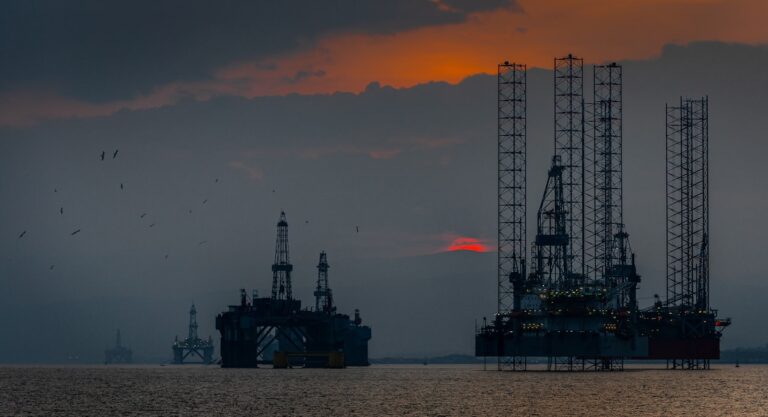
Oil prices have become a real-time barometer of geopolitical tension, and the relationship between presidential rhetoric and market moves is getting more complicated.
The Numbers
- Pre-conflict (Feb 28): Oil was trading around $72/barrel
- Peak (Mar 19): Hit $118/barrel — a 64% spike
- Current (Mar 28): Sitting just under $112/barrel
What Happened
When US and Israel launched strikes on Iran starting February 28, oil markets went haywire. Every Trump post or statement about the conflict moved prices sharply — aggressive language spiked them, de-escalation language eased them.
But something shifted in recent days: traders are growing skeptical. The gap between Trump’s reassurances (“talks going very well”) and the reality on the ground (no acknowledgement from Tehran) is making markets less responsive.
What This Means for Your Wallet
- Energy bills are going up — The Strait of Hormuz is effectively blocked, pushing wholesale oil and gas prices higher. UK energy bills will likely rise after the current price cap period ends.
- Gas prices follow oil — If you drive, expect continued pain at the pump.
- Investment portfolios feel it — Oil sitting at the center of geopolitical risk means broader market volatility.
- Inflation risk — Higher energy costs feed into everything — food, transport, manufacturing.
The Bottom Line
Markets are managing event risk in real time, with oil right at the center. The old playbook of “Trump says something, markets react” is breaking down as investors realize the gap between rhetoric and reality is widening. For everyday consumers, the practical impact is clear: energy costs are going up, and there’s no quick fix in sight.
Sources: BBC News | BBC News (Energy Bills)