
Is EDX Trust Bank the Future of Institutional Crypto Custody? OCC Charter Explained (April 2026)
Wall Street just sent another signal that crypto is no longer a fringe experiment. EDX Markets — the institutional exchange backed by Citadel Securities, Fidelity Digital Assets, and Virtu Financial — has applied to the US Office of the Comptroller of the Currency (OCC) for a national trust bank charter. The proposed entity, EDX Trust, would offer crypto custody, asset management, and trade settlement under a single federal framework. This is not a startup filing paperwork. This is Wall Street building the rails for a crypto future.
What EDX Trust Bank Actually Does — And Why It Matters
EDX Trust would operate as a non-depository national bank based in Chicago. Unlike existing crypto platforms that bundle trading, custody, and brokerage into one messy package, EDX deliberately separates these functions. Trading happens on EDX Markets. Custody and settlement happen inside the trust bank. That structural separation is the entire point.
The filing targets institutional clients: broker-dealers, futures commission merchants, and registered investment advisers. Not retail. Not your cousin with a MetaMask wallet. This is crypto custody designed for the same institutions that manage your 401(k).

The OCC Gold Rush: Everyone Wants a Charter
EDX is not alone. The OCC has become the hottest venue in crypto regulation. Consider the queue:
- Coinbase — applied October 2025, still waiting
- Morgan Stanley — filed for a de novo trust bank in February 2026
- Zerohash — applied earlier this month for stablecoin and custody services
- Laser Digital and Payoneer — both filed in early 2026
Meanwhile, the OCC has already greenlit Ripple, Circle, Fidelity Digital Assets, Paxos, BitGo, Bridge, Stripe, and Crypto.com with conditional licenses. The pace is staggering. The American Bankers Association actually asked the OCC to slow down, citing unresolved questions under pending stablecoin legislation. That tells you everything about the speed of this transformation.
Why Separation of Trading and Custody Is the Real Story
Here is what most coverage misses: EDX is not just getting a bank charter. It is proving a model. The entire thesis of FTX’s collapse was that mixing custody, trading, and lending creates catastrophic single points of failure. The Drift Protocol hack in April 2026 showed that even DeFi is not immune to these structural weaknesses.
EDX Trust would hold client assets, invest idle cash in highly liquid instruments, and facilitate trading through a riskless principal model with end-of-day net settlement. In plain English: your crypto sits in a federally regulated vault, not commingled with the exchange’s operating funds. That is the model traditional finance has used for decades. It is what stablecoin regulation under the GENIUS Act is trying to extend to digital assets.
The Macro Context: Why Now?
The timing is not accidental. The US-Iran conflict has hammered risk assets. Bitcoin dipped to $66,000 before bouncing back above $68,000 after Trump signaled potential ceasefire talks. Oil prices are volatile. The S&P 500 whipsawed 4% in two days. In that kind of chaos, institutional investors want clarity. They want to know their crypto is held by an entity with federal oversight, not a platform that might implode.

Meanwhile, corporate Bitcoin treasuries are under pressure. Companies are liquidating Bitcoin holdings to cover debts, even as Saylor keeps buying. For institutional allocators, the question is not whether to hold crypto — it is how to hold it safely. EDX Trust is the answer Wall Street wants.
What This Means for Crypto Investors
If you are a retail investor watching from the sidelines, here is the takeaway: the infrastructure for a $300 billion institutional crypto market is being assembled in real time. Every OCC charter approval makes it harder for regulators to reverse course. Every trust bank that opens makes it easier for pension funds, endowments, and sovereign wealth funds to allocate capital to digital assets.
Three things you can do today:
- Watch the OCC approval pipeline. The pace of approvals will signal how aggressively Washington is embracing crypto. A slowdown means regulatory friction ahead.
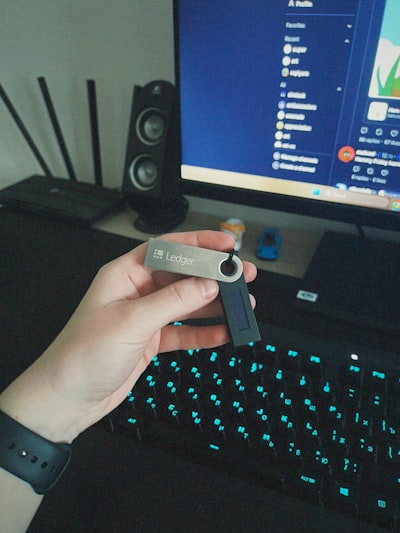
- Check your exchange’s custody model. If your crypto sits on a platform that trades, lends, and custodies all at once, you are exposed to the exact risk EDX is designed to eliminate.
- Monitor Bitcoin ETF flows. EDX Trust will likely become a custody provider for spot ETFs. That linkage could drive billions in new inflows.
The Bottom Line
EDX Trust is not just another crypto company chasing a bank charter. It is Citadel, Fidelity, and Virtu building the plumbing for a system where crypto and traditional finance share the same regulatory DNA. The OCC is approving these charters faster than anyone expected. The ABA is uncomfortable. That discomfort is the signal.
Wall Street is not asking permission anymore. It is building the vault.
Sources: Cointelegraph | OCC Filing