Who Is Kevin Warsh? Trump’s Fed Pick Wants Rate Cuts and Bitcoin Openness — What Changes in 2026
Kevin Warsh Federal Reserve Nomination: Why Markets Should Pay Attention in April 2026
The Kevin Warsh Federal Reserve nomination might be the most consequential central banking decision in a generation. Trump’s pick to replace Jerome Powell isn’t just another Wall Street insider — he’s someone who has openly called for “regime change” at the Fed. Lower interest rates. Rethinking inflation models. A surprisingly warm stance on Bitcoin. If confirmed, Warsh could fundamentally alter how the world’s most powerful central bank operates.
And it’s happening at the worst possible time.
Kevin Warsh’s Background: From Morgan Stanley to the Fed Chair Nominee
Kevin Warsh isn’t a newcomer to central banking. He served on the Fed’s Board of Governors from 2006 to 2011, appointed by George W. Bush. A Stanford and Harvard graduate, Warsh cut his teeth at Morgan Stanley as a VP and executive director before joining the White House National Economic Council.
During his first Fed stint, Warsh was the hawk in the room. He openly criticized aggressive balance sheet expansion, warning it created “monetary dominance” that artificially suppressed rates. Fast forward to 2025, and his Wall Street Journal op-ed took direct aim at Powell: “Inflation is a choice, and the Fed’s track record under Chairman Jerome Powell is one of unwise choices.”
Strong words. But does he have a plan to match?
Kevin Warsh Interest Rate Cuts: Can He Actually Deliver?

Warsh’s core economic philosophy boils down to one idea: inflation comes from government overspending and money printing, not from rising wages or commodity prices. He wants to return to monetarism — trim the Fed’s bloated balance sheet and redeploy that capital as lower rates for Main Street.
Sounds clean on paper. The real world is messier.
The Iran conflict has pushed oil prices through the roof. The 64% oil price spike in March is directly feeding into the core inflation metrics the Fed uses. Even if Warsh believes the Fed’s inflation model is “mistaken,” he still has to operate within it until he can change it. And that takes time.
The Iran withdrawal timeline Trump announced could ease crude prices, which would give Warsh breathing room for rate cuts. But 2-3 weeks is an eternity in geopolitics. Anything could derail that plan.
Kevin Warsh on Bitcoin: The Crypto Angle Nobody Expected
Here’s where it gets interesting for digital asset investors. Warsh has called Bitcoin a “sustainable store of value” — while simultaneously arguing it doesn’t function as money. That’s a nuanced position that neither crypto bulls nor bears will love entirely.
But nuance might be exactly what the market needs. A Fed chair who acknowledges Bitcoin’s legitimacy as an asset class — without pretending it replaces the dollar — creates a regulatory environment where crypto can coexist with traditional finance.
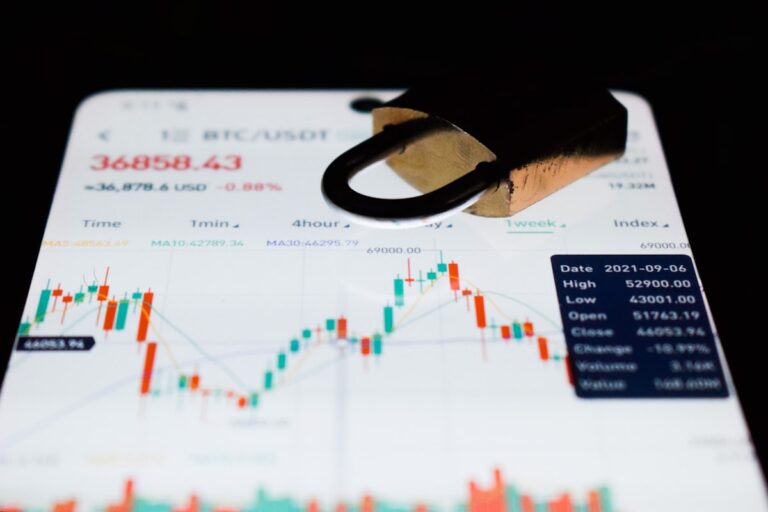
Lower rates under Warsh would be broadly bullish for risk assets, including crypto. The recent Bitcoin surge to $68,500 alongside a 1,100+ point Dow rally shows the market is already pricing in easier monetary policy.
What Could Go Wrong With the Kevin Warsh Fed Nomination?
Plenty. Senate confirmation isn’t guaranteed. His “regime change” rhetoric will face pushback from Democrats and potentially some Republicans uncomfortable with politicizing the Fed. Even if confirmed, the Fed chair is one vote on a committee. He can’t unilaterally slash rates.
Then there’s the credibility problem. The Fed’s independence is its superpower. If markets perceive Warsh as Trump’s puppet cutting rates for political reasons, bond markets will revolt. Yields spike. Dollar weakens. That’s not the outcome anyone wants.
What Investors Should Do Right Now
- Watch the confirmation hearings. Senate tone will tell you how aggressive Warsh can actually be.
- Monitor oil prices. If Iran tensions de-escalate and crude drops, rate cuts become more realistic sooner.
- Don’t front-run the trade. Markets price expectations, not guarantees. Position for volatility, not a straight line down in rates.
- Crypto exposure matters. A Fed chair who views Bitcoin as a legitimate store of value is structurally bullish for the asset class. Even modest allocation makes sense.
The Kevin Warsh nomination signals a genuine philosophical shift at the Federal Reserve. Whether he can execute on it depends on geopolitics, Senate politics, and economic conditions he can’t fully control. But the direction of travel is clear: easier money, less orthodoxy, and a Fed that’s friendlier to both Wall Street and crypto.
That’s not nothing. That might be everything.
Sources: CoinTelegraph | Wall Street Journal | Barron’s