Will Bitcoin Never See a 7-Month Losing Streak? Why BTC Could Bounce in April 2026
Bitcoin Losing Streak: Can BTC Avoid Its Worst Run in History?
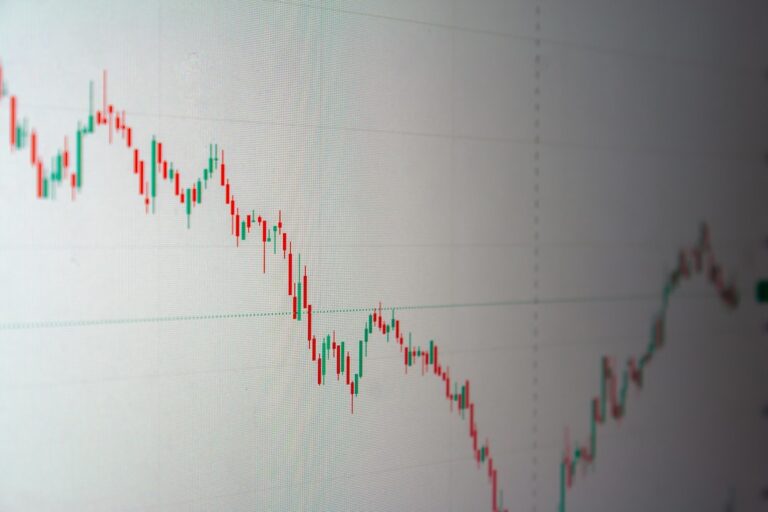
Bitcoin is limping toward March 31 at roughly $66,600 — and if it closes below $67,300, the monthly candle will be red for the sixth consecutive time. That would tie the longest losing streak in Bitcoin’s entire history: the brutal stretch from August 2018 to January 2019.
Here’s the thing most people are missing. Bitcoin has never posted seven straight monthly losses. Not once. Not during the 2014-2015 bear market. Not during COVID. Not during the FTX collapse. That single fact matters more than any technical indicator right now.

What the Bitcoin Losing Streak Data Actually Shows
Let’s look at the numbers without the panic. According to Coinglass data, BTC fell 4% in October 2025, 18% in November, and 3% in December. Into 2026, the damage continued: 10% down in January, 15% in February, and roughly 1% this month. That’s a cumulative drawdown of over 40% from the October 2025 peak.
But here’s the critical context: in the only prior instance of six monthly losses (2018-2019), Bitcoin rallied for five straight months afterward. Five consecutive green candles. The bottom wasn’t exact — BTC drifted lower for a few more weeks after January 2019 closed — but the reversal was decisive and sustained.
Bitcoin Support Levels: Why $59K and $54K Matter Right Now
Even with the current losing streak, Bitcoin remains well above its two most important long-term support levels. The 200-week moving average sits at $59,268, and the realized price (the average on-chain cost basis of all BTC) is at $54,177, per Glassnode.
In every previous bear market — 2014, 2018, 2022 — Bitcoin eventually fell below both levels and stayed there for months. That hasn’t happened this cycle. The fact that BTC is six months into a downtrend yet still 12% above the 200-week MA tells you something about the underlying demand structure.

Macro Headwinds vs. Bitcoin Historical Patterns
The bearish case isn’t without merit. Oil prices have stayed above $100 per barrel for over a month due to the Middle East conflict. Central banks are stuck between cutting rates and fighting sticky inflation. Google’s quantum computing research has rattled long-term crypto security assumptions.
But consider this: Bitcoin has actually edged slightly higher since the Middle East conflict began. Despite oil surging 35%, despite rate hike fears, despite quantum doom headlines — BTC is flat to slightly up. That’s not the behavior of an asset in capitulation.
What to Watch on Bitcoin in April 2026
If you’re trying to time a Bitcoin bottom, here are three signals to monitor:
- Monthly close above $67,300: This would break the losing streak and technically invalidate the bearish sequence
- 200-week MA hold at $59,268: A retest and bounce here would be historically bullish
- Iran conflict de-escalation: Reports of Iran signaling willingness to negotiate have already pushed BTC up to $67,800 intraday
My honest take? The fact that Bitcoin has never produced a seven-month losing streak isn’t just trivia — it’s a reflection of how halving cycles and liquidity patterns work. April 2026 has every reason to be green. Whether it’s the start of a real recovery or just a dead cat bounce depends entirely on whether the macro environment cooperates.