Will Oil Hit $120? What Trump’s Iran Threats Mean for April 2026
Brent crude crossed $110 barrel today after Trump’s expletive-laden threat against Iran. Markets spiked, then retreated on reports of US-Iran ceasefire talks. The question everyone asking: where is oil headed?
The $110 Barrier: Why It Matters
We have seen $110 before in early 2023, but that was post-pandemic recovery. Today is different. We have an active war in the Middle East, no end in sight, and now threats of escalation. The technical barrier at $110 is not just a number—it is a psychological milestone that signals to traders that $120 is not crazy talk anymore.
Here is what the data shows: inventories are down, OPEC+ is maintaining production cuts, and China’s demand—while slowing—remains robust. When you combine reduced supply with geopolitical risk premium, you get today’s prices. I have been watching oil markets for years, and what strikes me is how quickly the “ceasefire talk” headline erased half the gains. That tells me traders are pricing in hope as much as fear.
What Happens If Iran Conflict Expands?
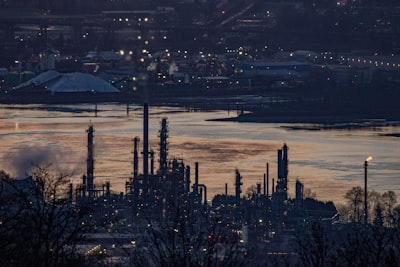
If hostilities widen, we are looking at potential disruption of Hormuz Strait shipments—roughly 20% of global oil passes through that chokepoint. Even a brief closure would send prices soaring past $120, possibly toward $130 or higher. But here is the uncomfortable truth: markets have already priced in a lot of bad news. The real question is whether further escalation actually pushes prices much higher from here, or if we have already hit the ceiling for now.
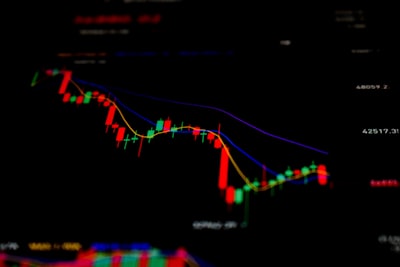
Strategy (formerly MicroStrategy) just added another $330 million in Bitcoin purchases while reporting $14.5 billion in unrealized losses—the largest paper loss ever recorded for a corporate treasury. That is not panic selling; that is conviction. And it is happening while oil spikes. This tells me institutional investors are hedging across multiple asset classes, not just betting on one outcome.
My Take: Three Scenarios for April
Scenario 1: Ceasefire materializes (40% probability) — Oil retreats to $95-100 as risk premium evaporates. This would be my base case if diplomacy gains traction over the next two weeks.
Scenario 2: Status quo holds (35% probability) — Prices stay range-bound between $105-115, with occasional spikes on headline news. This seems most likely right now—we have been in this band for months.
Scenario 3: Escalation (25% probability) — If Iran conflict expands or Strait of Hormuz faces real disruption risk, $120-130 becomes reality. Not certain, but the tail risk is significant.
What Should You Do?
If you are holding energy stocks or ETFs, the current volatility is a feature, not a bug. Prices above $100 support sector earnings. Consider taking profits on any gains above 15%—we have likely seen the easy money for this cycle. For crypto investors, the correlation between risk assets and oil is worth watching. When energy costs rise, manufacturing margins compress, and that eventually hits equity markets. Bitcoin might decouple eventually, but for now, they are swimming in the same current.
The key insight: do not bet on one direction. Oil at $110+ is already pricing in significant risk. The upside from here is uncertain, but the downside if things calm down is real. Take your own advice: diversify, set stop-losses, and do not let headlines drive your portfolio.
For a broader perspective on how geopolitical shocks impact markets, check out our analysis on US jobs and Iran war impacts. And if you are interested in how corporate treasuries are navigating this environment, our coverage on private credit market stress offers relevant context.
Sources: BBC News | Cointelegraph | Cointelegraph