100 Robotaxis Just Froze Mid-Highway in China — And It Exposes the Real Risk Nobody Talks About
Over 100 self-driving taxis just stopped dead in the middle of a Chinese highway — at the same time. It’s the kind of failure mode nobody planned for.
The Headline
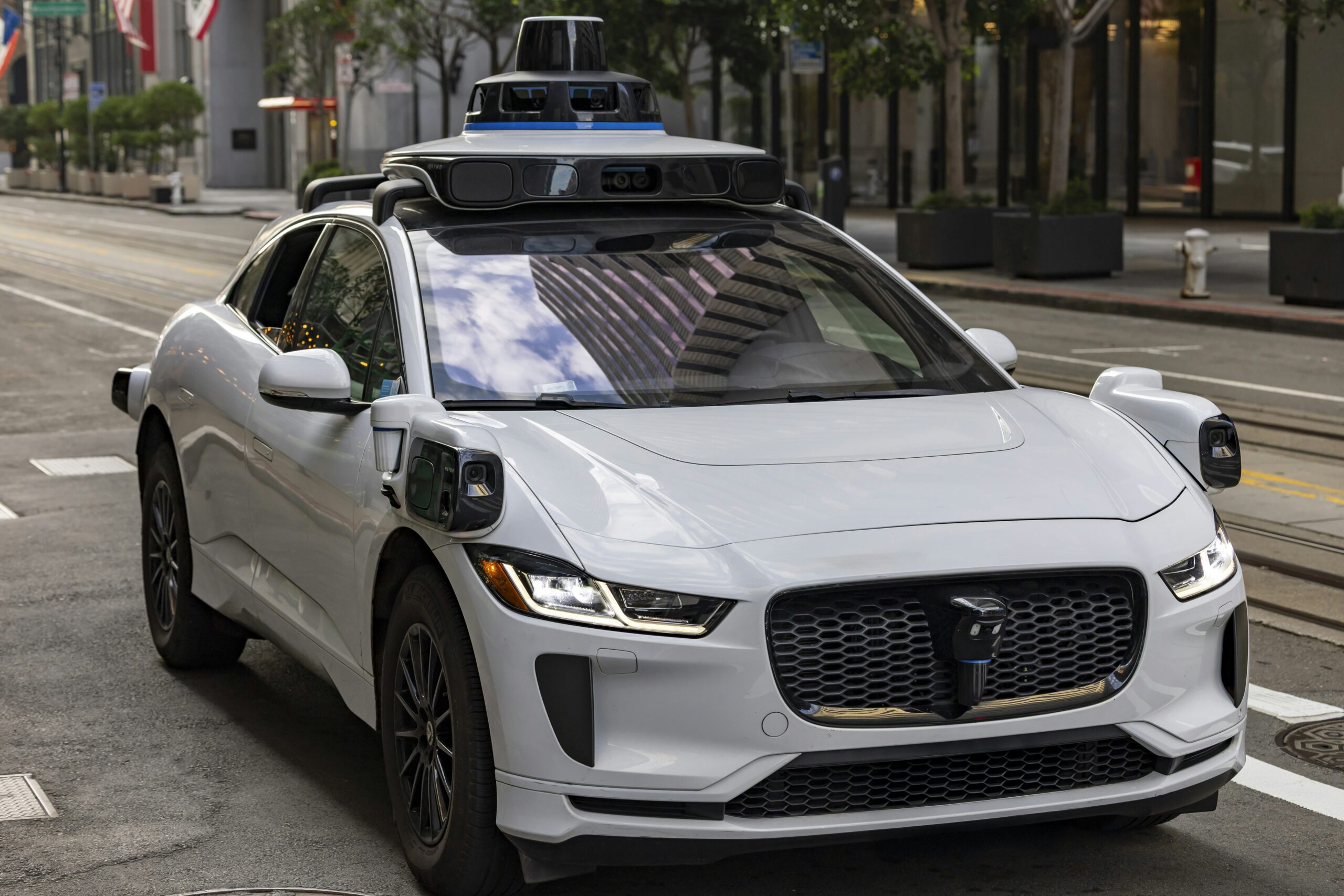
Baidu’s Apollo Go robotaxi service suffered a mass malfunction in Wuhan on Tuesday, causing at least 100 self-driving cars to stop mid-traffic simultaneously. Local police said the cause was a “system malfunction” — and the investigation is still ongoing.
Videos posted to Chinese social media showed the stranded vehicles blocking lanes, with at least one apparent highway collision caught on camera. Police confirmed no injuries were reported and passengers exited safely.
Baidu hasn’t commented.
This Isn’t the First Time
The Wuhan incident is the latest in a growing list of self-driving car failures:
- August 2025: An Apollo Go robotaxi carrying a passenger in Chongqing fell into a construction pit
- 2024: Multiple Waymo vehicles blocked San Francisco streets after similar software glitches
- Ongoing: US regulators are investigating dozens of incidents involving autonomous vehicles
Why This Matters Beyond China
This isn’t just a Chinese problem. Baidu has partnerships with Uber and Lyft to test Apollo Go cars on UK roads, with pilot programs planned for 2026. Both companies still need regulatory approval before trials begin.
After Tuesday’s mass failure, that approval just got harder to get.
Jack Stilgoe, professor of science and technology policy at University College London, put it simply:
“While driverless tech may be safer on average than human drivers, this incident showed it could still go wrong in completely new ways. If we’re going to make good choices about this technology, we need to understand entirely new types of risk.”
The Bigger Picture
The robotaxi industry is at a critical point. Companies are pushing to expand globally, but incidents like this raise fundamental questions:
- Centralized failure risk: When one system glitch can disable 100+ cars simultaneously, that’s a different risk profile than individual human errors
- Trust erosion: Public confidence in self-driving tech is already fragile — mass outages don’t help
- Regulatory pressure: Expect stricter approval processes, especially in the UK and Europe
- Insurance implications: Who’s liable when a fleet-wide software bug causes a pileup?
Self-driving cars will probably be safer than humans on average. But “safer on average” doesn’t comfort the person stuck behind 100 frozen robotaxis on a highway in Wuhan.
Technology moves fast. Regulation moves slow. The gap is where things get dangerous.
Sources: BBC News