
Is SpaceX’s $1.75 Trillion IPO the Biggest Tech Listing Ever? What ‘Project Apex’ Means for Investors in 2026
SpaceX just filed confidentially for what could become the largest initial public offering in human history. The numbers are staggering: a projected $1.75 trillion valuation, $75 billion in capital to raise, and 21 banks lined up to manage the deal internally codenamed “Project Apex.” If this goes through, it doesn’t just beat Saudi Aramco’s 2019 record — it obliterates it by more than 2x.
But here’s what most coverage is missing. This isn’t just a space company going public. This is Elon Musk consolidating his entire empire — rockets, satellites, AI, and social media — into one publicly traded behemoth. And the timing tells you everything about where the market is headed.
Why SpaceX IPO Filing Matters Beyond Space Stocks
Let’s cut through the hype. SpaceX isn’t the scrappy rocket startup anymore. After acquiring Musk’s xAI in February 2026, the combined entity — SpaceX, xAI, and X (formerly Twitter) — was valued at $1.25 trillion privately. Two months later, they’re targeting $1.75 trillion. That’s a 40% markup in eight weeks.
What changed? Three things.
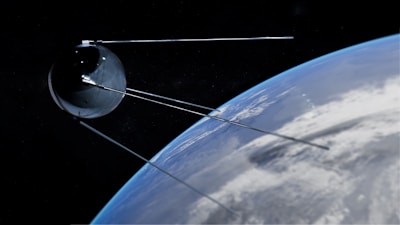
First, Starlink’s revenue trajectory has exceeded internal projections. The satellite internet constellation now covers over 10,000 satellites and serves millions of subscribers globally. It’s no longer a side project — it’s the cash engine funding everything else.
Second, the xAI merger gave SpaceX a credible AI narrative. Investors aren’t just buying rockets anymore. They’re buying into the thesis that SpaceX can build a million-satellite data center network in orbit. That’s not science fiction — Musk has been talking about it publicly for months.
Third, and most importantly, SpaceX needs capital. A lot of it. Starship development, Starlink satellite replenishment, spectrum purchases, and xAI’s compute demands all compete for the same dollars. Going public unlocks a currency that private funding can’t match at this scale.
The $75 Billion Question: Can the Market Absorb This IPO?
$75 billion would make SpaceX’s IPO roughly 2.5x larger than Saudi Aramco’s. For context, the entire US IPO market in 2025 raised about $40 billion. SpaceX alone wants to nearly double that in a single listing.
The 21-bank syndicate is telling. When a deal needs Goldman Sachs, Morgan Stanley, JPMorgan, and 18 others, it means the underwriters are spreading risk across the entire financial system. Nobody wants to be the sole bookrunner on a deal this size if markets turn south.

There’s a parallel here with recent mega-fundraisers. OpenAI just raised $122 billion, drawing massive retail investor interest. SpaceX will likely generate even more frenzy, given Musk’s cult following and the tangible nature of rockets versus language models.
What “Project Apex” Signals About Musk’s Strategic Pivot
For years, Musk insisted SpaceX would stay private until it reached Mars. That red line is gone. The company has quietly shifted its immediate ambitions toward the Moon — and toward building orbital infrastructure that serves commercial, not just exploratory, purposes.
This pivot matters for investors because it reframes SpaceX from a speculative space bet into an infrastructure play. Think of it less like investing in early aviation and more like buying into the construction of a new internet backbone — one that happens to orbit 550 kilometers above Earth.
The “million data center satellites” concept is the key to understanding the valuation. If SpaceX can position itself as the physical layer for AI compute in space, the $1.75 trillion price tag starts looking less outrageous. The global cloud infrastructure market exceeds $300 billion annually. Even capturing a fraction of that through orbital data centers would justify a trillion-dollar-plus valuation.
How the SpaceX IPO Could Reshape Broader Markets
SpaceX going public doesn’t happen in a vacuum. The ripple effects will touch everything from blockchain-based asset tokenization to defense spending to the satellite communications duopoly held by traditional telcos.
Consider the competitive dynamics. Amazon’s Project Kuiper is still years behind Starlink. OneWeb is a distant third. If SpaceX goes public with a massive war chest, the gap widens further. We could see a winner-take-most dynamic in space-based internet, similar to what played out with terrestrial broadband in the early 2000s.
For crypto markets, there’s an indirect link. Musk’s influence on digital asset sentiment is well-documented. A publicly traded SpaceX with Musk at the helm gives him an even larger platform — and a direct financial stake in market narratives. Don’t be surprised if SpaceX treasury strategy eventually includes digital assets, following the playbook of companies like those riding the Bitcoin ETF wave.
What Investors Should Watch Before the SpaceX IPO Date
No official IPO date has been set. The confidential S-1 filing means SpaceX can refine its disclosures privately before marketing shares. But here are the signals to track:
SEC feedback timeline. Confidential filings typically go public 15 days before the roadshow. If SpaceX files publicly in Q2 2026, a summer listing is plausible.
Starship test flights. The fully reusable heavy-lift rocket is central to the company’s future revenue model. Successful orbital tests will boost investor confidence. Failures will tank it.
Starlink subscriber growth. This is the one metric underwriters will scrutinize hardest. If growth is accelerating, the valuation holds. If it’s plateauing, expect the target to shrink.
xAI integration progress. The merger is only two months old. Investors will want proof that the AI division adds value beyond the sum of its parts.
The Bottom Line: Is the SpaceX IPO Worth the Hype?
At $1.75 trillion, SpaceX would trade at roughly 50x revenue — aggressive, but not unprecedented for high-growth tech. The difference is that SpaceX has actual hardware, actual customers, and actual revenue. Unlike many tech IPOs, this isn’t a story stock with no earnings. It’s a capital-intensive infrastructure company that happens to operate in space.
The risk? Execution. Building reusable rockets is hard. Maintaining a 10,000-satellite constellation is harder. Doing both while training frontier AI models and running a social media platform is borderline absurd. But if anyone has a track record of making borderline absurd bets pay off, it’s Musk.
For retail investors, the smart move is patience. Wait for the S-1 to go public. Read the risk factors. Understand the capital expenditure timeline. And remember: the biggest IPO in history doesn’t automatically become the best investment in history. Aramco’s post-IPO performance was underwhelming for years. Size and quality are different things.
But make no mistake — this filing changes the game. Space is no longer a frontier for billionaires’ vanity projects. It’s becoming investable infrastructure. And that shift will define the next decade of capital markets.
Sources: Bloomberg | Reuters | TechCrunch