Pharmaceutical Tariffs 100%: What Trump’s Bold Move Means for Drug Prices in 2026
The pharmaceutical industry just got a wake-up call it won’t forget. President Trump announced a sweeping 100% tariff on patented medicines entering the United States — a move that sounds apocalyptic until you read the fine print. Here’s what’s actually happening and why it matters for your wallet.
The Tariff That Wasn’t (At Least Not Yet)
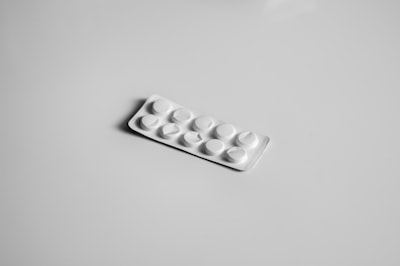
Here’s the kicker: the 100% tariff doesn’t apply to generic medicines — the drugs most Americans actually take. Branded, patented medications will face the levy, but companies can negotiate their way out of it. The White House has already signaled this is a bargaining chip, not a finished policy.
“The goal is to bring the rest of the companies to the bargaining table,” said Sean Sullivan, professor at the University of Washington and London School of Economics. “It’s all about leverage.”
How Companies Can Avoid the 100% Tariff
There are three escape routes for pharmaceutical companies:
- Strike a pricing deal with the US government — companies that agree to sell medicines to programs like Medicaid at prices comparable to overseas markets will pay zero tariff.
- Commit to US manufacturing — firms planning to launch new production facilities in America before Trump’s term ends in January 2029 will face only a 20% tariff.
- Leverage existing trade deals — the US has already negotiated lower tariffs with Europe, Switzerland, the UK, South Korea, and Japan as part of agreements from last year.
What This Means for UK Patients
Under the UK-US agreement, Britain will pay more for medicines through the NHS in exchange for zero US import taxes on pharmaceuticals made in the UK for three years. The UK government has called this “a win for British patients, British businesses and the British economy.”
But critics argue British patients could end up footing the bill for American pharmaceutical companies’ profits. The real question: will this actually produce new treatments faster, or just inflate prices?
The Bigger Picture: Why Now?
The Trump administration framed this as a national security issue — the idea being that relying on foreign-made medicines is a vulnerability. By forcing companies to manufacture in the US, the goal is to bring the pharmaceutical supply chain home.
Professor Sullivan noted this is largely symbolic at this point, given that most common medicines are generics unaffected by the tariff. But the signal is clear: the era of cheap imported brand-name drugs is being re-examined.
What Should Patients Do?
If you’re currently on branded medications, don’t panic — yet. Here’s what to watch:
- Check if your medication is generic — if it is, these tariffs likely won’t affect you.
- Monitor insurance updates — insurance providers will likely adjust coverage as pricing negotiations play out.
- Ask about manufacturer programs — many pharmaceutical companies offer patient assistance programs that could shield you from price increases.
The pharmaceutical tariffs story is far from over. Companies have 120 days to work out deals with the administration, and more agreements are expected in the coming weeks. For now, patients should stay informed and explore generic alternatives where available.
The administration’s approach is unconventional — using tariff threats as a negotiation lever rather than a permanent tax. Whether this actually lowers drug prices or simply shifts who pays remains to be seen. One thing’s certain: the pharmaceutical industry will be watching closely, and so should you.
Bottom Line
The 100% pharmaceutical tariff sounds dramatic, but it’s designed more as leverage than policy. Most patients won’t see immediate changes — especially those on generic drugs. The real impact will depend on how negotiations unfold over the next few months. Stay proactive, check your prescriptions, and watch for updates from your healthcare provider.
Related Reading:
- Will Oil Hit $120? What Trump’s Iran Threats Mean for Your Wallet
- Amazon’s 3.5% Fuel Surcharge: What the Iran War Surcharge Means
- Why Is Oracle Laying Off 10,000 While Spending $50B on AI?
Sources: BBC News | BBC Business